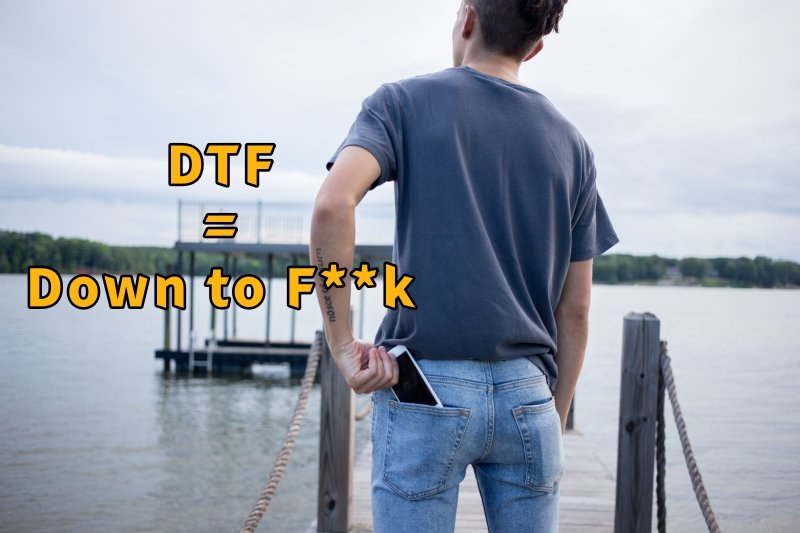
Keeping up with teen slang is tough, but some acronyms are crucial for parents to know. If you’ve seen DTF in your child’s texts or on social media, you’re right to be concerned. In most online contexts, DTF stands for “Down to F**k,” meaning someone is looking for a casual sexual encounter. This blunt term is a serious red flag. This guide breaks down what DTF means, where it’s used, why it’s a risk, and how you can protect your kids.

Don’t Let Risky Slang Like “DTF” Go Unseen.
Get real-time insight into your child’s text messages and social media chats with FamiSpy. Know if they are exposed to online predators or harmful hookup culture.
VIEW DEMOThe “Slang” Definition: What DTF Means in Texts and Social Media
There is very little ambiguity with this term. Unlike other slang that might have multiple innocent meanings, DTF is almost always used in a sexual context.
Decoding the Acronym
As stated above, DTF is an acronym for “Down to F**k.”
- Someone might text, “Are you DTF?” as a direct proposition.
- It can be used to describe someone else, suchas, “He’s not looking for a relationship, he’s just DTF.”
- It can also be a simple statement: “I’m DTF.”
It’s a clear signal of intent for a physical, non-emotional hookup.
Is “DTF” Positive or Negative?
From a parent’s perspective, the use of DTF is a major concern. It bypasses any talk of relationships, emotions, or commitment and reduces an interaction to a purely physical act.
This term is rooted in hookup culture, which can have significant emotional and physical consequences for teens. It promotes the idea that casual, anonymous sex is normal, which can put young people in vulnerable and dangerous situations.
Where Are Teens Using the “DTF” Slang?
You will often see “DTF” in the comments section of TikTok or in Instagram DMs. A teen might receive an unsolicited message from a stranger simply asking, “DTF?”
This is where the term can be used privately, either between friends or with a potential partner. In a group chat, teens might discuss who they think is DTF or use it to plan a hookup.
Many teens create fake profiles to get on apps like Tinder, where DTF is extremely common in user bios or as an opening message to establish casual-only intentions.
Why Parents Should Be Concerned About “DTF”
Seeing this term on your child’s phone is more than just a case of “kids being kids.” It points to several real-world dangers that are amplified by the internet.
The Risks of Hookup Culture
The culture surrounding terms like DTF can pressure teens into sexual activity they aren’t emotionally or physically ready for. This can lead to significant emotional distress, unwanted pregnancies, and the spread of STDs. Studies, like this one from Boston University, highlight the negative emotional consequences and risks that “no-strings-attached” encounters can have on young people.
A Red Flag for Online Predators
This is perhaps the most serious risk. Online predators actively search for vulnerable teens. According to the FBI’s guidelines for parents, predators often pose as peers to forge a relationship, and slang like DTF can be used to identify or solicit kids. A teen who uses this term could be unknowingly flagging themselves to a dangerous individual.
Peer Pressure and Digital Reputation
In many teen circles, there is immense pressure to be “cool” or “experienced.” This can lead to teens using terms like DTF to fit in. What’s more, these digital conversations are not easily erased. A screenshot of a text or profile can be saved and shared, potentially damaging a teen’s reputation.
How FamiSpy Helps You Protect Your Child from Online Dangers
Having those conversations is step one. But in a world of disappearing messages and secret apps, it’s hard to know when to have them. This is where a parental monitoring tool like FamiSpy can provide clarity. It acts as a safety net, giving you a private window into your child’s digital world so you can spot dangers—like conversations about “DTF” or contact with strangers—before they become serious problems. It is a tool designed to help you understand, not just to spy.

With FamiSpy, you can get the facts you need to have informed, effective conversations.
Key FamiSpy Monitoring Features:
- Monitor Text Messages: See all sent, received, and even deleted SMS and iMessages on their phone.
- Track Social Media Apps: Read chats from popular social apps like WhatsApp, Instagram, Facebook Messenger, and Snapchat.
- View Web Browser History: Check which sites your teen is visiting, what they are searching for, and if they are accessing inappropriate content or dating sites.
- Check App Usage: See a complete list of all installed apps on their phone and find out how much time they are spending on each one.
- Review Call Logs & Contacts: Know who your child is talking to, the frequency of calls, and view the contact list to spot any unfamiliar numbers.
How to Get Started with FamiSpy:
Step 1: Choose Your Plan.
Create an account and select a subscription plan that fits your family’s needs.
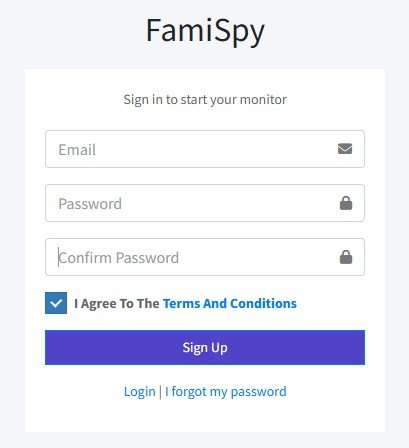
Step 2: Install the FamiSpy App.
After purchasing, you will receive simple, clear instructions to download and install the app on your child’s phone. The setup process is quick and guided.
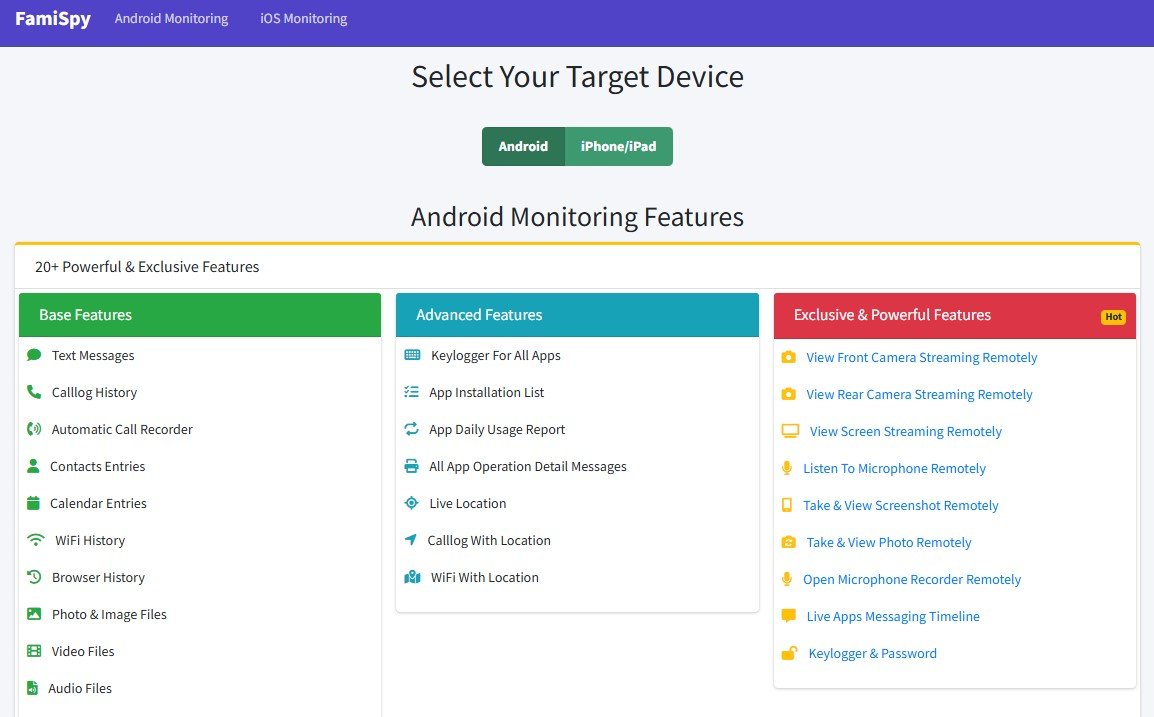
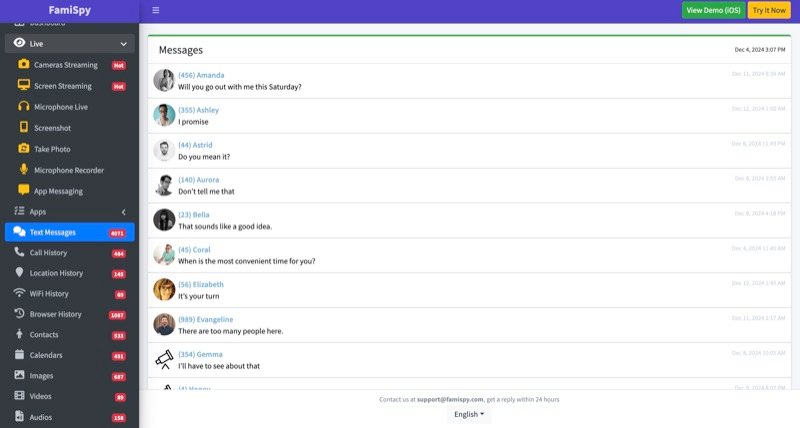
Step 3: Monitor from Your Dashboard.
Once installed, you can log in to your secure FamiSpy control panel from your own phone or computer. From here, you can respectfully and remotely check messages, app activity, browsing history, and more to ensure your child is safe.
How to Talk to Your Kids About Slang and Online Safety
Finding out your child is using or being exposed to terms like DTF can be scary. A knee-jerk reaction to take away their phone can backfire, closing lines of communication. A better approach is to use this as an opportunity to build trust and teach digital responsibility.
- Foster Open Communication: Try to have regular, calm conversations about their online life. Ask open-ended questions like, “Are there any new slang terms I should know about?” instead of making accusations. The goal is to make them feel comfortable coming to you.
- Set Clear Digital Boundaries: Your rules are about safety, not punishment. Establish clear boundaries, such as no-phone zones (like the dinner table) and a “digital curfew” where all devices charge in a central location at night.
- Teach Consent and Consequences: Use this as a chance to talk about consent and respect. Remind them that what they say online has real-world consequences and that there is a real person on the other side of the screen. Trusted resources like Common Sense Media offer excellent guides for parents on these topics.
Are There Any Other Meanings for DTF?
While the sexual definition is the most common, you may occasionally hear other, more innocent meanings.
The “Safe” Meanings
In some, much rarer, contexts, DTF could mean:
- Down to Find (e.g., “Down to find some food.”)
- Down to Fiesta (meaning, “down to party”)
- Down to Follow (a term used to get more social media followers)
Why Context is Everything
The problem is that without seeing the entire conversation, it’s difficult to know the true context. A text that says “I’m DTF” from a stranger at 11 PM is almost certainly not an invitation to a party.
This is why the term is a red flag. The innocent meanings are so rare that the acronym should always be taken seriously until you can prove the context is safe.
FAQs
Conclusion
The digital world changes fast. New slang, new apps, and new dangers can pop up overnight. As a parent, you can’t be expected to know everything, but you can be prepared.
Knowing terms like DTF, TTYL, 143 or RN is your first line of defense. It allows you to understand the world your child is navigating. Your second line of defense is open communication, building a trusting relationship where your child feels safe coming to you with problems.
Finally, tools like FamiSpy can act as a crucial safety net, giving you the insight you need to protect them. By combining awareness, communication, and the right tools, you can help your teen navigate the challenges of the digital age safely and responsibly.