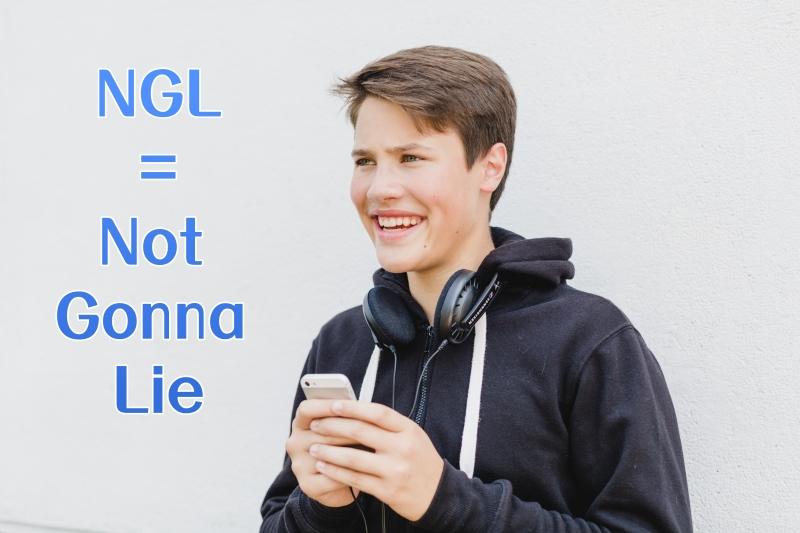
If you’ve looked at your teenager’s phone recently, you’ve likely seen the acronym “NGL” pop up in text messages, Instagram captions, or Snapchat stories. To put it simply, NGL stands for “Not Gonna Lie.”
While it sounds like harmless teen slang used to preface an honest opinion, the context matters. For parents, the real concern often isn’t the acronym itself, but the trending NGL link app used on social media for anonymous Q&As, which can hide digital dangers.
Understanding the meaning in texting is the first step toward digital safety. This guide will walk you through the casual uses of NGL, explain the significant risks posed by the associated anonymous application, and show you practical ways to monitor your child’s online safety.

Anonymous Messages Vanish. Get the True Context on NGL.
The NGL app enables anonymous risks like bullying and inappropriate contact. Stop guessing: FamiSpy can capture the hidden, deleted, and ephemeral messages that matter most.
VIEW DEMODecoding What NGL Stands For
NGL is a very common piece of internet slang, or “textspeak,” used to signal honesty or authenticity. It is the modern digital equivalent of saying, “To be honest,” “Frankly speaking,” or “I’m not going to sugarcoat this.”
Teens use it as a kind of verbal pause—it signals they are about to share a genuine thought, which might be a secret, a controversial opinion, or a sincere compliment.
Common Usage Examples
The key to understanding NGL is recognizing the intent behind it. Use this table to distinguish between casual chatter and potentially more vulnerable communication.
| Type of Usage | Example Sentence | Meaning & Intent |
|---|---|---|
| Casual Opinion | “NGL, that burger was too spicy.” | A simple, low-stakes expression of preference. |
| Sincere Compliment | “That outfit looks amazing, NGL.” | Emphasizing that the compliment is genuine and truthful. |
| Vulnerability | “NGL, I’m really anxious about the party tonight.” | Admitting a feeling or concern they might be trying to hide. |
| Harsh Truth | “NGL, your group project wasn’t very good.” | Using the phrase to soften a piece of criticism. |
Why Context Matters: It’s Not Just a Slang Word
While NGL is frequently used for harmless commentary, it often functions as a signal that a teenager is preparing to be vulnerable or drop their guard. This makes the text that follows especially important. For example, understanding how SB meaning changes based on context is similar to recognizing the nuance in NGL.
The simple act of typing “Not Gonna Lie” suggests the statement is something they might be nervous about revealing.
The “Truth Serum” Effect
When used sincerely, NGL acts as a prompt for honesty. For parents, this can be a quiet indicator of emotional struggles. If you see messages starting with NGL followed by statements about feeling lonely, depressed, or angry, it means your child is likely using that digital window to express something they are hesitant to say in person.
It also serves as a conversational shield. By starting with NGL, a teen delivering a criticism can claim they were just “being honest,” even if the comment was harsh or unkind. This dynamic requires close monitoring to ensure your child is not engaging in, or receiving, subtle forms of digital cruelty.
The Bigger Risk: The NGL.link Anonymous App
For most parents searching for “NGL meaning,” the real underlying concern is the NGL anonymous Q&A app. This platform, popular on Instagram and Snapchat, creates a link that allows anyone (including complete strangers) to send your child anonymous messages.
How the NGL App Poses a Danger
When anonymity is introduced, online behavior often degrades. People say things they never would in person because there are no consequences.
- Cyberbullying: An anonymous environment gives bullies a powerful shield. Teens frequently receive mean-spirited, hateful, or embarrassing messages that can severely impact their self-esteem.
- Inappropriate Content: The platform can expose minors to highly inappropriate content; for instance, acronyms like DTF meaning that introduce explicit concepts can be sent anonymously.
- Mental Health: Constantly receiving anonymous validation or, worse, anonymous criticism can lead to anxiety and depression.
Why Safety Experts Are Concerned
According to cyber safety organizations, anonymous apps like NGL are frequently classified as “high risk” for teenagers. The lack of accountability removes the social filter, often leading to a spike in cyberbullying and inappropriate exposure. Since the app is rated 17+ on some platforms but easily accessed and marketed to younger teens, parents must look beyond the simple slang and understand the platform mechanics.
Is “NGL” Safe for Kids? A Quick Check
Not every use of NGL should trigger panic. Use this three-level guide to quickly assess the level of risk.
✅ Green Light: Normal Usage
If your child is using NGL in text messages with friends to talk about video games, food, homework, or pop culture, there is usually nothing to worry about. This is just standard generational slang.
Example: “NGL this game is hard.”
⚠️ Yellow Light: Emotional Venting
If the term appears frequently alongside complaints about friends, teachers, or stress, keep an eye on it. It might not be dangerous yet, but it indicates they are struggling with something.
Example: “NGL, I think I’m failing that class.”
🛑 Red Light: The NGL App & Risk
If your child has installed the NGL app or is using the acronym to introduce risky behaviors (vaping, sneaking out, sexting), immediate action is required.
Example: Downloading “NGL: anonymous q&a” or texts like “NGL, I might sneak out tonight.”
How to Know What They Are Really Saying
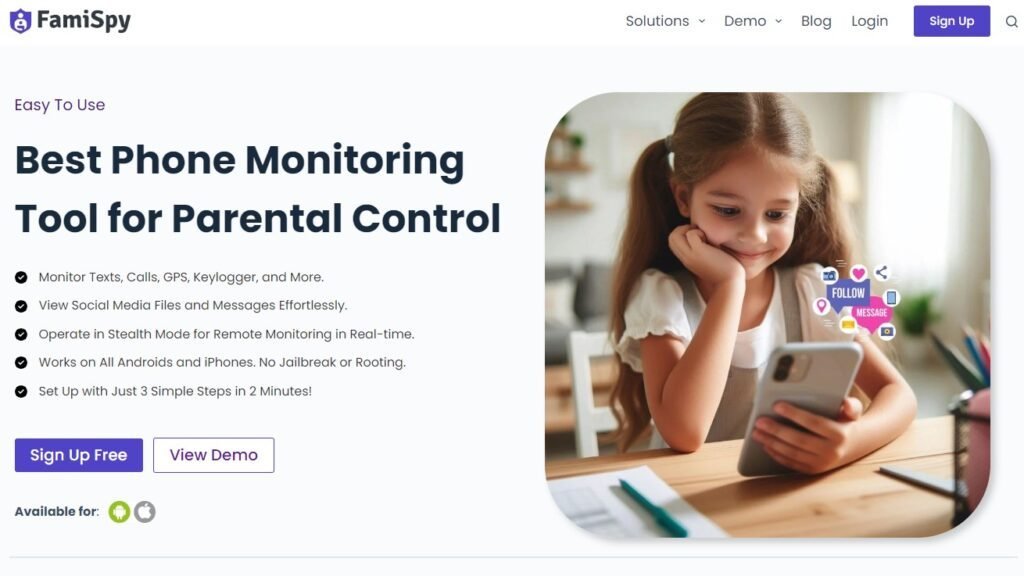
Asking your teen “What does this mean?” or demanding to see their phone can often lead to defensiveness or deleted evidence. When high-risk anonymous platforms like the NGL app are involved, simple conversations may not be enough to ensure safety. FamiSpy is a powerful remote monitoring solution that provides the necessary safety net, allowing you to get the full context of your child’s digital life without constantly hovering. FamiSpy is designed to let parents view critical information and intervene promptly to protect their children from cyberbullying and dangerous content.
5 Core Features for NGL Safety
FamiSpy offers a range of features specifically designed to mitigate online risks associated with anonymous apps:
- Keylogger: Captures all keystrokes, letting you see messages typed in anonymous apps or deleted texts, ensuring you know the honest truth.
- Installed App List: View all installed apps. Instantly confirm if the high-risk NGL anonymous Q&A app is active on their device.
- Screen Recording/Screenshots: Capture screen activity to view ephemeral content and the exact anonymous messages received through the NGL link.
- Social Media Monitoring: Read chat context in apps like Snapchat and Instagram, clarifying if NGL usage is harmless slang or part of a concerning discussion.
- GPS Location Tracking: Provides real-time location history, offering overall safety assurance while they navigate the digital world.
3-Step Guide to Monitoring NGL Risks
Here is a simplified process for using FamiSpy to gain visibility into NGL-related risks:
Step 1. Acquire and Setup: Sign up for FamiSpy and complete the quick, non-technical installation process on your child’s device following the provided instructions.
Step 2. Monitor Key NGL Channels: Log into your secure dashboard. Immediately check the Installed App List for NGL, and then use the features to capture anonymous messages and context.
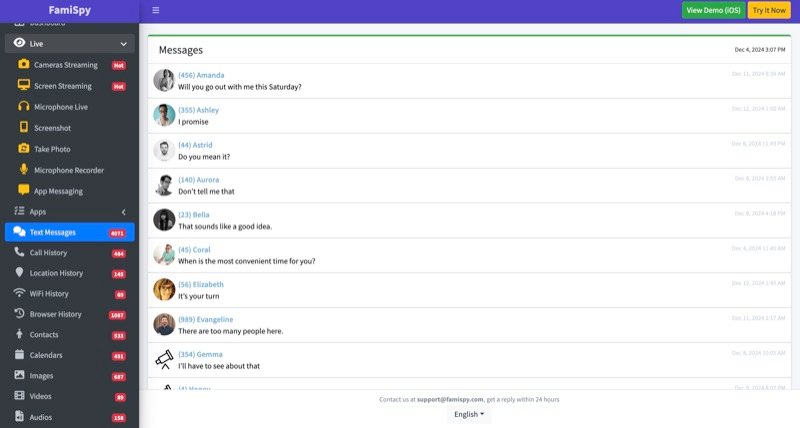
Step 3. Analyze and Intervene: Review the collected data to confirm the risk level. Use the verified information to guide a constructive safety discussion with your child and intervene immediately if cyberbullying or dangerous content is found.
How to Protect Your Child from Anonymous Negativity
Here is a practical action plan for handling the NGL phenomenon in your home.
1. Open Communication
Approach the topic with curiosity, not confrontation. Understand that NGL, the slang, is just how they talk. You can ask about other slang too, like what does HY mean in text to keep the conversation flowing.
- Try asking: “I saw the NGL link app on a friend’s Instagram. Do you know how those anonymous apps work? I’m worried about how people treat each other when they can’t be identified.”
2. Set Boundaries on Anonymity
Establish clear rules about anonymous communication. Explain that while expressing opinions is healthy, communicating with people who hide their identity is risky. Encourage them to only talk to people they know and trust. If you are using FamiSpy, agree on the apps that are allowed and those that are not.
3. Verify with Monitoring Tools
Even with the best conversations, teenagers may still experiment. Use FamiSpy as a supportive tool to verify that your safety rules are being respected. It acts as a digital safety guardrail, providing you with peace of mind by confirming that high-risk, anonymous apps are not running on their device.
FAQs
Conclusion
The meaning of NGL is simple: “Not Gonna Lie.” But the associated risks are complex, particularly when dealing with the NGL anonymous app.
To keep up with the digital world, you need to understand the generational vocabulary, whether it’s NGL, OG, or any other acronym. You don’t need to memorize every piece of slang to be a great digital parent. You need visibility. By staying informed about trending apps and using practical tools like FamiSpy, you can maintain a proactive approach to your child’s online safety, ensuring that their honest conversations are protected from hidden dangers.