If you spend any time on social media or glancing at text messages, you have likely encountered the acronym PPL. It is one of the most ubiquitous terms in digital communication. So, what does PPL mean?
In the vast majority of cases, PPL is simply an abbreviation for the word “people.”
Whether used in a casual text, a tweet, or a gaming chat room, it serves a simple function: speed. However, like many digital terms, the meaning can shift slightly depending on the context—from business jargon to teen slang. This guide breaks down everything you need to know about PPL, ensuring you understand not just the definition, but the intent behind the message.

Turn Slang Into Understanding
Slang terms like PPL often sound simple, but context makes all the difference. FamiSpy helps parents see the bigger picture behind everyday messages, making it easier to understand who teens are talking to and what’s really happening.
VIEW DEMOThe Primary Definition: What Does PPL Mean?
Language evolves to fit the medium. In the era of flip phones and T9 texting, every character counted. PPL emerged as a natural way to compress the six-letter word “people” into three efficient keystrokes. Even with modern smartphones, the habit stuck because it fits the fast-paced rhythm of instant messaging.
- Standard Usage: Replacing the collective noun for human beings.
- Pronunciation: Usually read aloud as “people,” rarely spelled out as P-P-L.

Common Examples in Daily Use:
| Context | Example Sentence | Meaning |
|---|---|---|
| General Texting | “Too many ppl here, let’s leave.” | “Too many **people** here, let’s leave.” |
| Social Media | “Why are ppl so obsessed with this?” | “Why are **people** so obsessed with this?” |
| Gaming | “Looking for ppl to join my squad.” | “Looking for **people** to join my squad.” |
Decoding PPL in Different Scenarios
While “people” is the universal definition, the implication of the word changes based on who is using it and where.
1. Teen Slang and Social Context
For teenagers, PPL is neutral, but the surrounding words often carry the weight of the message. It is frequently paired with other common acronyms to express opinions or plans quickly.
- Opinion: “NGL (Not Gonna Lie), those ppl were weird.”
- Planning: “LMK (Let Me Know) if ppl are coming over.”
- General Use: The most common scenario in daily texting.
2. Business and Marketing (The Niche Definition)
If you are searching for PPL in a professional context, specifically in digital marketing or insurance, it stands for Pay Per Lead (or **P**referred **P**rovider **L**ist in insurance).
- Definition: A model where an advertiser pays for each qualified lead (potential customer) generated.
- Note: This definition is strictly professional and rarely used in casual chat.
3. Medical and Scientific Usage
In rare instances within formal documentation, PPL might refer to specific technical or structural terminology.
- Scientific: In biochemistry, PPL may reference specific chemical structures.
- Medical Lists: Can sometimes stand for **P**reparing **P**ersonal **L**ists or other highly localized internal terms.
- General Documents: It is usually context-dependent and should be verified against industry-specific glossaries.
Why Context Matters: A Guide for Parents
If PPL just means “people,” why should parents be concerned? The word itself is harmless. However, in the world of digital parenting, ambiguity is often a red flag.
When a teen uses generic terms like “people” or “friends,” they may be intentionally omitting specific names. Understanding the context—who these people are and what they are doing—is the difference between a harmless hangout and a risky situation.
When PPL Signals a Red Flag
You should pay closer attention to the conversation when PPL is used alongside terms that indicate secrecy, strangers, or high-risk behavior.
- The “Unknown” Factor: If your teen mentions meeting “new ppl” online, especially on anonymous apps (like Discord, Kik, or Omegle), verify if they know these individuals in real life. Predators often mask themselves as just “regular people.”
- Risky Combinations: Be alert if PPL appears in the same thread as acronyms that suggest adult themes or distress.
- ASL: Asking for “Age, Sex, Location” implies the “ppl” are strangers.
- DTF: If this acronym appears, the conversation has shifted to sexual availability.
- KMS: If a teen says “ppl make me want to KMS,” this is a serious expression of emotional distress (Kill Myself) and requires immediate supportive intervention.
Bridging the Gap: The Role of Parental Monitoring
In an ideal world, open communication would solve every mystery. However, teens naturally seek privacy, and sometimes they don’t realize the “ppl” they are talking to have bad intentions. This is where tools like FamiSpy serve as a safety net, not to invade privacy, but to provide the context that slang words often hide.
How FamiSpy Clarifies the Context
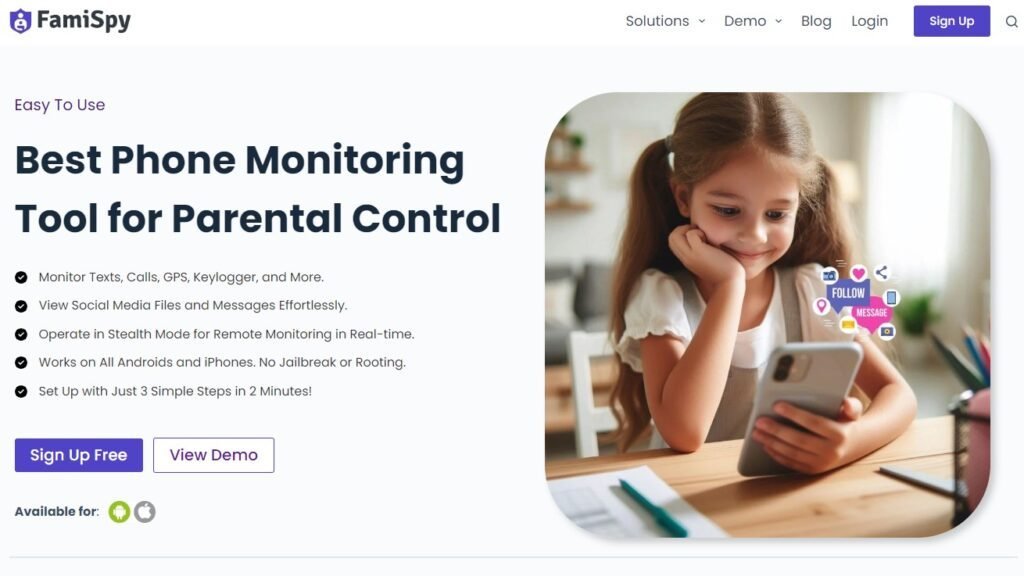
FamiSpy is designed to help parents see the full picture. It moves beyond simple keyword detection to show you the reality of your child’s digital interactions.
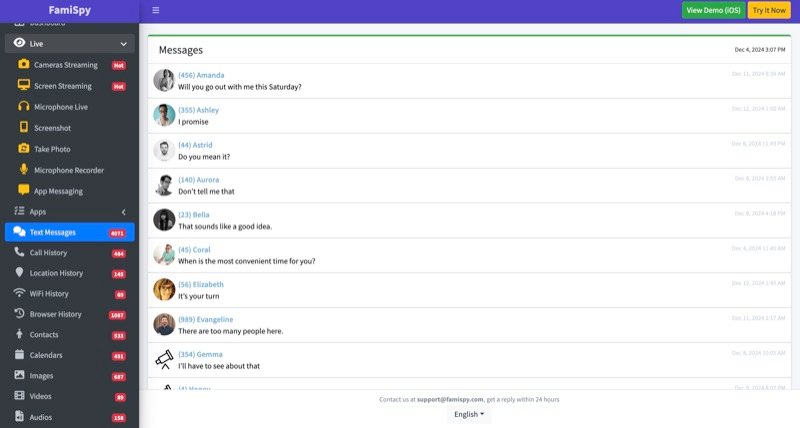
- See the Whole Conversation: Don’t just see the word PPL; see the sentences before and after. FamiSpy allows you to read chat logs on WhatsApp, Snapchat, and Instagram, helping you determine if “those ppl” are study partners or a bad influence.
- Identify the “Who”: Through contact monitoring, you can see if the “ppl” texting your child are known contacts or unsaved numbers from suspicious locations.
- Verify the “Where”: If your teen says, “I’m with ppl at the mall,” FamiSpy’s location tracking lets you verify their safety in real-time.
- Capture Deleted Context: Teens often delete sensitive messages. FamiSpy’s Keylogger feature ensures you have a record of what was typed, including slang like NGL or LMK, even if the message disappears.
Balancing Trust and Safety
Using a monitoring tool is a significant step. It works best when combined with open conversations. Use the insights from FamiSpy to guide discussions about online safety, rather than just as a surveillance feed.
Staying Informed: Digital Safety Resources
The digital landscape changes fast. To keep up with the language your teens are using, explore our other guides on popular acronyms like NGL Meaning.
For authoritative advice on how to talk to your kids about online privacy and interacting with strangers, we recommend resources from the Federal Trade Commission (FTC) on Kids’ Online Safety.
FAQs
Conclusion
Understanding the PPL meaning is less about memorizing slang and more about recognizing context. In most cases, PPL is simply a shorthand for “people,” used casually in everyday digital conversations. On its own, the term is neutral and widely accepted across texting, social media, and online chat.
For parents, the challenge isn’t the word itself, but the lack of detail it can sometimes hide. When conversations stay vague, having visibility into the broader context can help clarify who those “people” are and what interactions look like in practice. Tools like FamiSpy can support this understanding by providing a clearer view of digital activity, allowing parents to make informed decisions and have more constructive conversations about online safety.
Staying familiar with common terms like PPL, combined with awareness and open communication, helps ensure that online interactions remain transparent, appropriate, and safe.