The internet moves fast, and teen slang moves even faster. If you’ve seen the word “simp” in your child’s chat logs or heard it in a YouTube video, you might be confused or even a little worried. Simply put, simp refers to a person who shows excessive attention or submissiveness toward someone they are attracted to, often without getting any affection or respect in return. While it might sound like a harmless joke among friends, the culture surrounding this word can sometimes lead to bullying, social anxiety, or unhealthy relationship dynamics.

Is Your Teen Being “Simp-Shamed” or Bullied Online?
Slang like “simp” is often used to mask digital harassment. FamiSpy gives you clear visibility into private social chats and group messages, allowing you to spot toxic interactions and protect your child’s self-esteem before it’s too late.
VIEW DEMOWhat Does Simp Actually Mean?
The word “simp” is mostly used to describe a person (usually a boy or man) who is perceived as being “too nice” or desperate for someone’s attention. It is almost always used as an insult. In the eyes of Gen Z, a simp is someone who puts a romantic interest on a pedestal, doing constant favors or spending money just to be noticed.
However, the meaning can change depending on who is saying it:
- The Insult: Used to mock someone for being “weak” or “whipped” by their crush.
- The Joke: Friends calling each other simps when one of them starts a new relationship and spends all their time with their partner.
- The Fan Culture: A teen might say, “I’m simping for this singer,” which just means they are a huge, obsessive fan.
The Evolution: From 80s Rap to TikTok Viral Trends
While it feels like a brand-new word, “simp” has actually been around for decades. It originally appeared in West Coast rap lyrics in the 1980s and 90s. Back then, it was a shortened version of “simpleton” and was used much more harshly.
The word found a new life on TikTok and Twitch around 2020. It became a viral meme, often used to describe fans who would donate large amounts of money to female streamers in hopes of getting a personal shoutout. Today, it is one of the most common terms in a teenager’s digital vocabulary, right alongside other common slang like NSFW or dope.

Simping vs. Healthy Romantic Interest: Where is the Line?
As a parent, you want your child to be respectful and kind. This is where “simp” culture gets complicated. It often creates an environment where being a gentleman or showing genuine emotion is labeled as a weakness. It’s important to help your teen understand the difference between being a good person and being a “simp.”
| Feature | Healthy Interest | “Simping” Behavior |
|---|---|---|
| Effort | Mutual and balanced between both people. | One-sided and feels desperate. |
| Self-Respect | Maintains personal boundaries and values. | Ignores own needs to please others. |
| Money | Buying a small gift or sharing a meal. | Spending excessive money just for attention. |
| Social Life | Keeps hanging out with their own friends. | Abandons friends entirely for a crush. |
| Communication | Honest, open, and unafraid to disagree. | Afraid to disagree for fear of rejection. |
If your child is using the term, they might just be trying to fit in with their peers. However, it’s worth watching out for. While terms like 143 are sweet ways to say “I love you,” being labeled a “simp” can hurt a teen’s confidence.
Why Should Parents Care? The Real Risks Behind the Slang
You might think, “It’s just another silly word.” However, the culture surrounding the simp meaning can have a real impact on your child’s mental health and social development. Here is why this trend deserves your attention:
The Cyberbullying Trap
Being labeled a “simp” is a common form of digital shaming. Teens may feel pressured to act “tough” or disrespectful just to avoid being mocked by peers.
The Financial Drain
Teens often feel a desperate need for validation from influencers, leading them to spend money on “digital gifts” just for a second of recognition.
Distorted Values
This culture suggests that being kind is a transaction. It can prevent kids from learning how to build healthy, mutual friendships.
Is Your Child “Simping”? Red Flags to Watch:
- Secretive Spending: Unusual small charges on Apple Pay or Google Play for “digital coins.”
- Mood Swings: Getting deeply upset when an influencer doesn’t “like” their comment.
- Social Isolation: Spending 5+ hours a day watching one specific creator while ignoring real friends.
- Personality Shifts: Using aggressive slang like crunk to hide their true feelings.
Many teens fall into this because of parasocial relationships—feeling a one-sided friendship with a celebrity. Remind your child that a “shout-out” isn’t a substitute for real-world connection. Using tools like FamiSpy can help you see if these habits are turning into expensive or obsessive behaviors, especially when you notice them using codes like hy in their chats.
How to Protect Your Child with FamiSpy
Understanding the slang is the first step, but staying on top of your child’s digital life is a full-time job. With new apps and hidden chats appearing every day, parents need a reliable way to ensure their children aren’t falling into toxic social traps or being exploited by online strangers.
FamiSpy is a professional and discreet phone monitoring tool designed to give parents a clear view of their child’s digital world without being overbearing. It works by syncing data from the target device to a secure online dashboard, allowing you to identify red flags like cyberbullying, obsessive behavior, or financial risks before they turn into real-world problems.
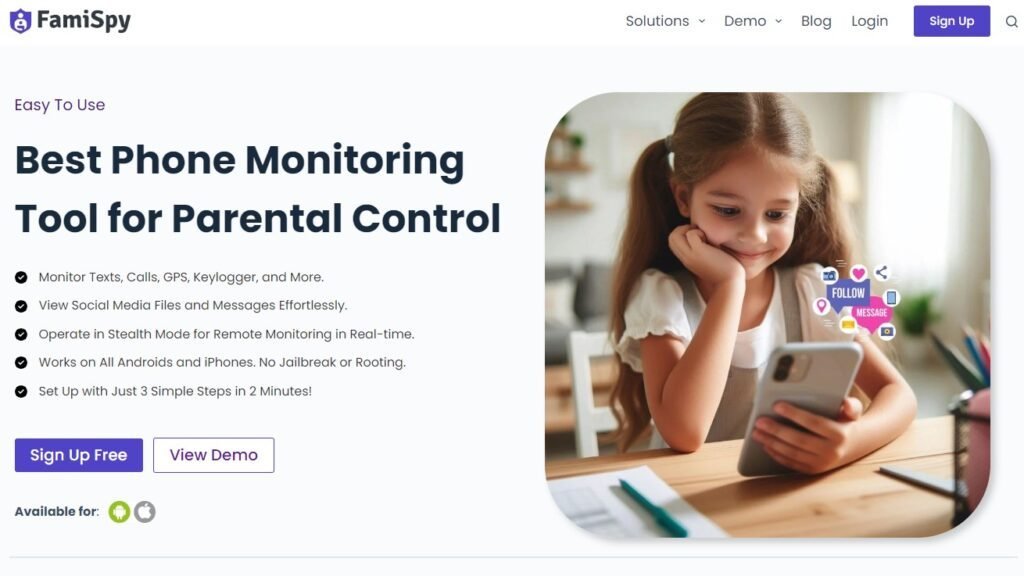
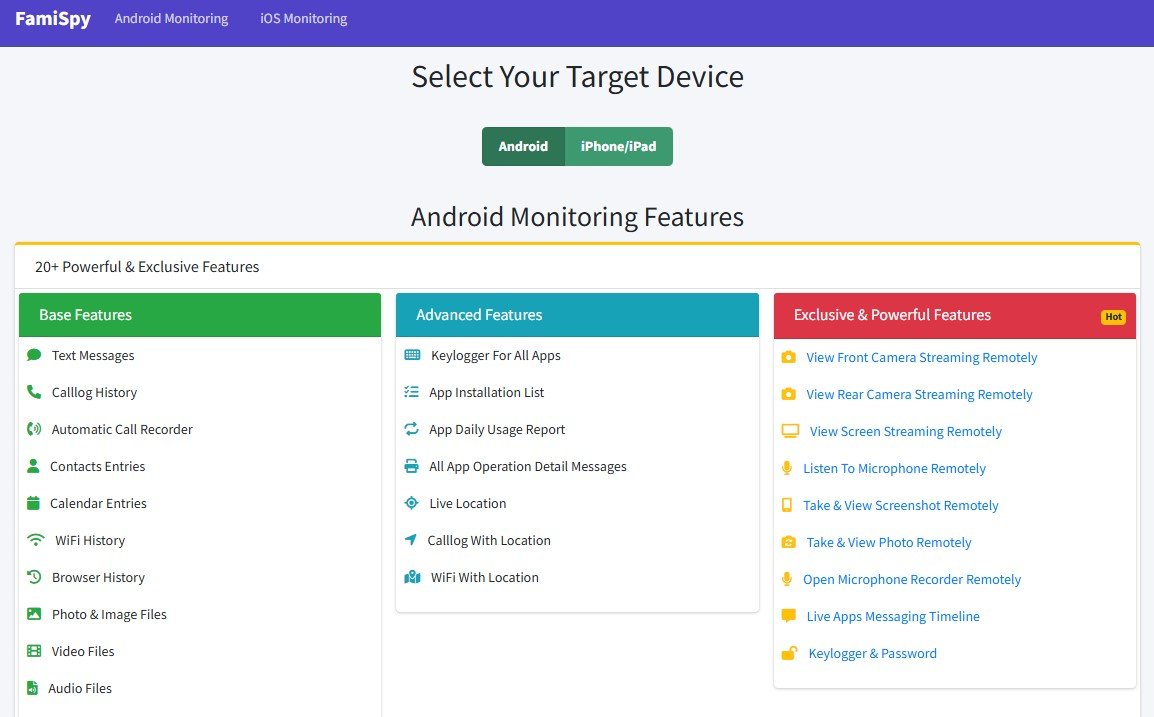
5 Core Features of FamiSpy:
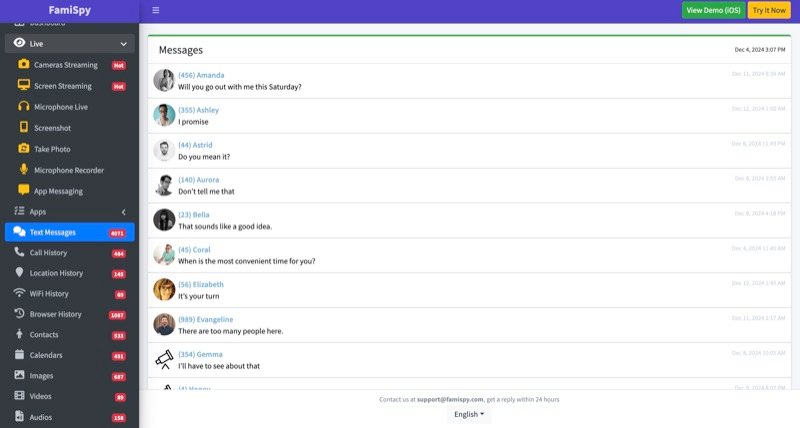
- Social Media Monitoring: View private messages and group chats on platforms like WhatsApp, Snapchat, Instagram, and TikTok to see if your child is being bullied or using risky slang.
- Browser History Tracking: See exactly what your child is searching for and which websites they visit, helping you spot signs of “simp” behavior toward influencers.
- App Usage Analysis: Track how much time is spent on specific social apps to identify unhealthy obsessions or digital addictions.
- SMS & Call Logs: Read sent and received text messages and view call history to know who your child is interacting with most frequently.
- GPS Location Tracking: Monitor your child’s real-time location and view their location history to ensure they are where they say they are.
Step-by-Step Guide to Setting Up FamiSpy:
Step 1. Register: Go to the FamiSpy website and create an account using your email address.
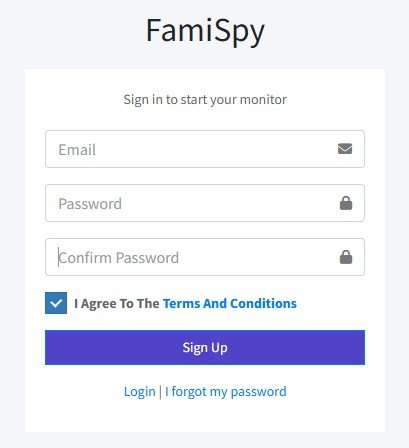
Step 2. Choose a Plan: Select the subscription plan that best fits the number of devices you need to protect. Then follow the provided instructions to download and install the FamiSpy app on your child’s Android device.
Step 3. Configure Settings: Grant the necessary permissions for the app to capture data; the app will then run silently in the background. Log in to your FamiSpy dashboard from any computer or smartphone to view all recorded activities instantly.
How to Talk to Your Teen About “Simping”
Monitoring tools like FamiSpy provide the data, but as a parent, you provide the wisdom. If you notice your child is being called a simp or acting like one, it’s time for a calm conversation.
- Ask Open Questions: Instead of accusing them, ask, “I’ve been seeing the word ‘simp’ a lot lately. What does it mean in your friend group?”
- Discuss Respect: Talk about the importance of self-respect. Explain that being kind is a strength, but letting people walk over you isn’t.
- Set Digital Boundaries: Help them understand that influencers aren’t their real friends, no matter how many “donations” they send.
FAQs
Conclusion
Understanding the simp meaning is just one part of modern parenting in 2025. As the digital landscape continues to change, staying informed and using tools like FamiSpy will help you guide your child through the complexities of growing up online. Whether they are dealing with “simping,” NSFW content, or just trying to find their place, your support and guidance make all the difference.