


If you’ve ever seen “IIRC” pop up in a text from your child and felt a little lost, you’re not alone. Keeping up with online slang can feel like a full-time job. The good news is that this specific acronym is harmless. IIRC simply means “If I Recall Correctly” or “If I Remember Correctly.”
It’s an abbreviation teens (and many adults) use to show they are mostly sure about something but aren’t 100% certain. While IIRC itself isn’t a red flag, it’s part of a much larger, fast-changing digital language. Understanding this language is key to staying connected with your child and understanding their online world.
Worried About What Your Teen Is Really Saying?
Beyond “IIRC,” the world of teen slang is vast. FamiSpy helps you monitor chat content and usage to ensure their conversations are safe and healthy.
MONITOR CHATS NOWWhat Does IIRC Stand For?
As mentioned, IIRC is a direct abbreviation for “If I Recall/Remember Correctly.”
It’s used to add a bit of uncertainty to a statement. Think of it as the digital version of saying “I’m pretty sure…” or “If my memory serves me right…” It’s a way to share information while admitting that your memory might be slightly off.

The Origin of IIRC: From Early Internet to Teen Texting
IIRC isn’t new. It’s a veteran of internet culture. In fact, it’s one of the 93 common texting abbreviations that have made the jump from early internet forums and chat rooms to modern text messaging. In text-only environments, typing full sentences was slow, so users created shortcuts for common phrases.
- BRB (Be Right Back)
- LOL (Laughing Out Loud)
- TTYL (Talk To You Later)
- IIRC (If I Remember/Recall Correctly.)
These acronyms allowed for faster, more efficient conversation. As texting and instant messaging took over, these terms jumped from computer keyboards to smartphone screens. Now, they are a standard part of your teen’s digital vocabulary.
How Do Teens Use IIRC? (Examples & Context)
The meaning of IIRC is simple, but its use is all about context. Teens use it to avoid stating something as an absolute fact.
Example 1: In Group Chats
Imagine a group chat for a school project.
Friend 1: “Hey, when is the project due?”
Friend 2: “Thursday, iirc.”
Friend 3: “Just checked. It’s Friday.”
Friend 2: “Oh, ok. My mistake.”
Here, Friend 2 used “iirc” to show they were trying to be helpful but weren’t making a definite promise. It softens the statement and leaves room for correction.
Example 2: In Private Messages
It can also be used when talking about shared memories or plans.
Your Teen: “We’re supposed to go to the movies on Saturday, iirc.”
This is a casual way for them to confirm plans they aren’t 100% sure about. It’s less direct than “Are we going to the movies on Saturday?”
IIRC vs. Similar Acronyms (AFAIK, IDK, TBH)
The world of “uncertain” acronyms is surprisingly specific. Here’s how IIRC compares to its close cousins.
| Acronym | Full Meaning | What It Really Means |
|---|---|---|
| IIRC | “If I Recall Correctly” | “I think this is right, based on my memory.” |
| AFAIK | “As Far As I Know” | “This is what I know, but there might be info I’m missing.” |
| IDK | “I Don’t Know” | “I have no idea.” |
| TBH | “To Be Honest” | “I’m about to give you my real opinion.” |
As you can see, IIRC is specifically about memory, while AFAIK is about current knowledge.
Why Slang Like IIRC Can Be Confusing for Parents
On its own, IIRC is perfectly fine. The challenge for parents isn’t this one acronym. It’s the speed and context of all online communication.
It’s Not Just the Word, It’s the Context
A harmless “iirc” in one chat can be used differently in another. The real meaning of any slang term is hidden in the conversation surrounding it. You might see “iirc” and understand it, but what about other, more coded terms? This is where the communication gap between parents and teens widens. The latest research on Teens, Social Media and Mental Health shows that while teens feel connected, the pressure and drama they encounter online are real.
When “IIRC” Might Hide Uncertainty or Misinformation
Sometimes, teens use “iirc” to test boundaries or spread half-truths.
- “My math teacher said we could use our phones on the test, iirc.”
- “Mom said I could sleep over at your house, iirc.”
Are they truly misremembering, or are they hoping you won’t double-check? Without seeing the rest of the conversation, it’s impossible to know.
The Speed of New Slang: Why It’s Hard to Keep Up
By the time you learn what IIRC means, your teen might have moved on to five new terms, like LMK or WBU. Slang is designed to be a fast, private language for a specific group. This is what makes a parent’s job so hard. You’re not just trying to understand words; you’re trying to understand a hidden culture.
How FamiSpy Helps You Understand the Full Conversation
While it’s good to know the IIRC meaning, it’s more important to understand the context of your child’s conversations. This is where a tool like FamiSpy can provide peace of mind. Instead of guessing what a new slang term means, FamiSpy gives you a clear window into your child’s digital activity so you can see how they’re communicating and who they’re talking to. It helps you protect them from online dangers like bullying, predators, and inappropriate content.
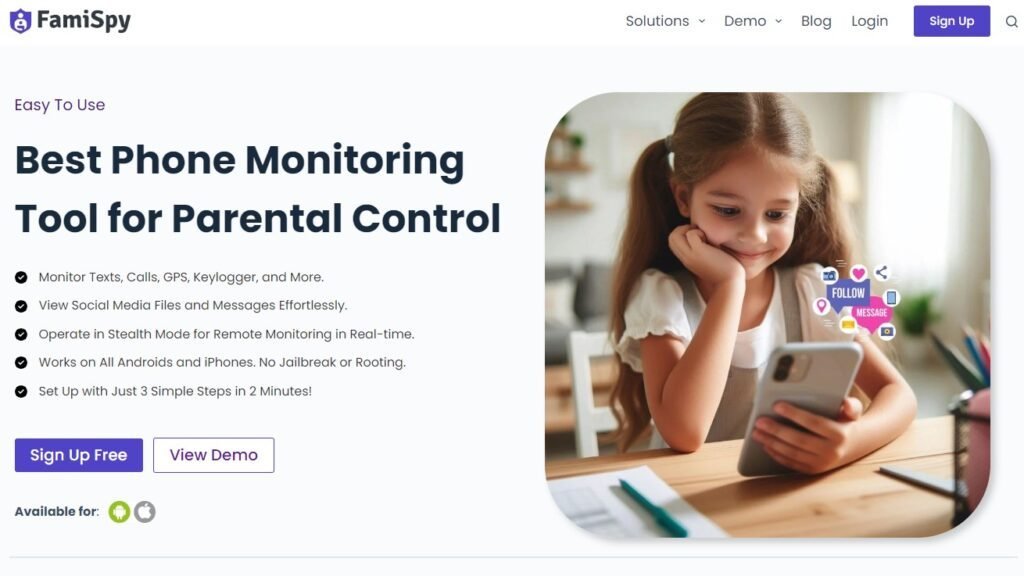
FamiSpy is a powerful monitoring solution designed for modern parents. It operates discreetly to give you an honest look at your child’s online world.
Key Features of FamiSpy:
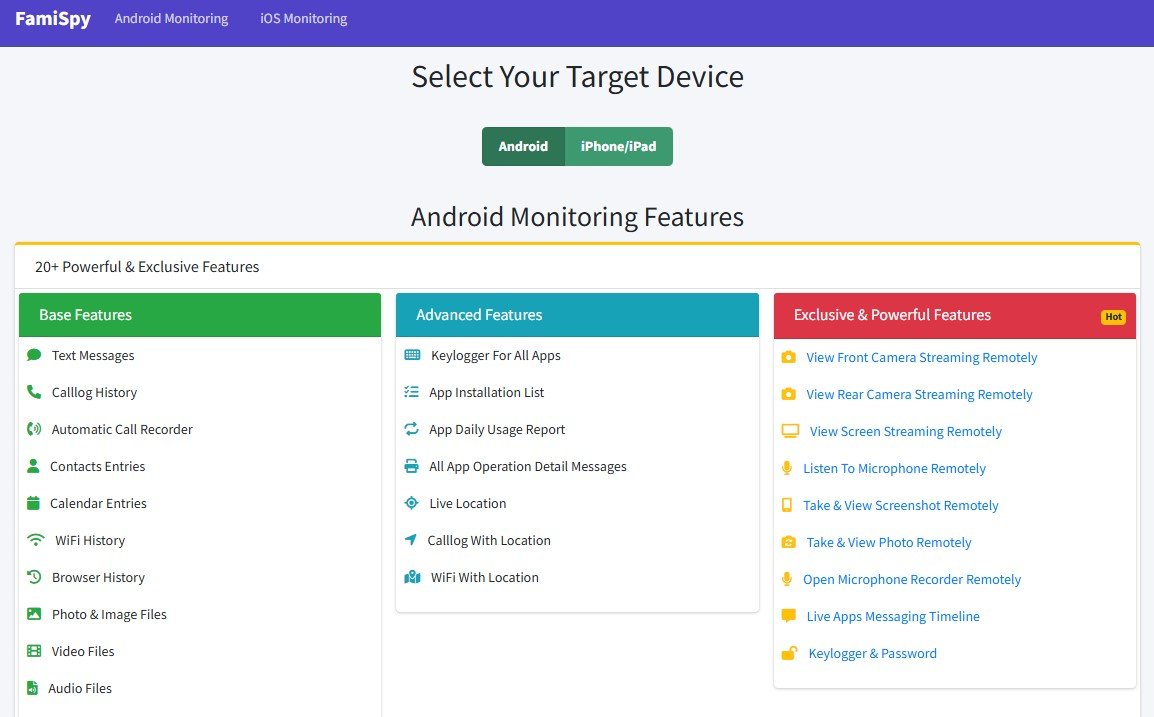
- Social Media & IM Monitoring: Read conversations on popular apps like WhatsApp, Facebook Messenger, Snapchat, Instagram, and more.
- View Text Messages & Call Logs: See all incoming and outgoing SMS messages (even deleted ones) and get details on call history.
- Track GPS Location: Get real-time location tracking and set up geofences to receive alerts when your child enters or leaves specific areas.
- Check Browser History: See which websites your child visits, what they search for, and their bookmarked pages.
- View Photos & Videos: Access the media files stored on your child’s device to ensure they aren’t saving or sharing inappropriate content.
How to Get Started with FamiSpy
Setting up FamiSpy is simple and only takes a few minutes.
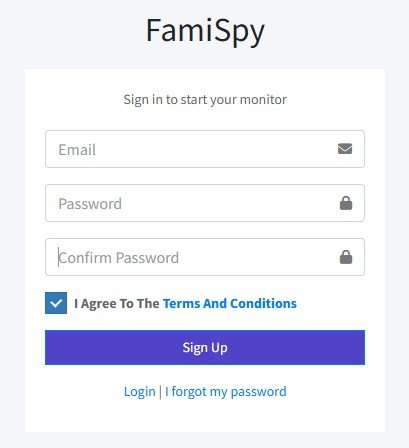
Step 1: Create Your Account
Go to the FamiSpy website and sign up for an account. Select the subscription plan that best fits your family’s needs.
Step 2: Set Up the Target Device
Follow the easy, step-by-step instructions to install FamiSpy on your child’s phone.
Step 3: Start Monitoring
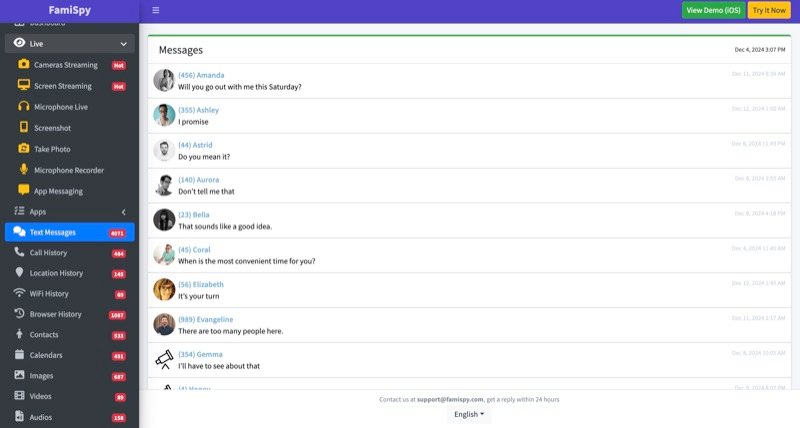
Log in to your personal FamiSpy dashboard from your own phone or computer to start seeing their activity.
How to Talk to Your Child About Online Slang
Your goal is to build trust, not to be a “gotcha” parent. Using a monitoring tool should be part of a larger parenting strategy built on open communication. To maintain a healthy relationship, it’s crucial to establish clear texting boundaries and etiquette early on.
Focus on Openness, Not Accusation
Instead of “I saw you used a word I didn’t know,” try a more curious approach.
Good approach: “I’m trying to catch up on all the texting slang you guys use. I keep seeing ‘IIRC’—what does that one mean?”
This opens the door for a conversation where you are the learner, and they are the expert. This builds trust and might even make them laugh.
Use FamiSpy as a Tool for Conversation, Not Just Punishment
If FamiSpy helps you see something genuinely concerning—like signs of bullying, secret plans, or communication with a stranger—take a deep breath. Your first step should be a calm conversation, not an immediate punishment.
Good approach: “I’ve been worried about you online lately, and I wanted to check in. I’m here for you, and I want to make sure you’re safe. Can we talk about what’s been going on?”
Use the information you have to guide the conversation and offer support.
FAQs
Conclusion
So, what does IIRC mean? “If I Recall Correctly.” It’s a simple, harmless piece of internet slang.
But it represents a much bigger challenge for parents. Your child is living in a digital world with its own language, rules, and risks. Knowing the slang is the first step. Understanding the context is the most important one. By staying curious, fostering open communication, and using tools like FamiSpy responsibly, you can bridge the digital divide and keep your child safe.